Water Damage
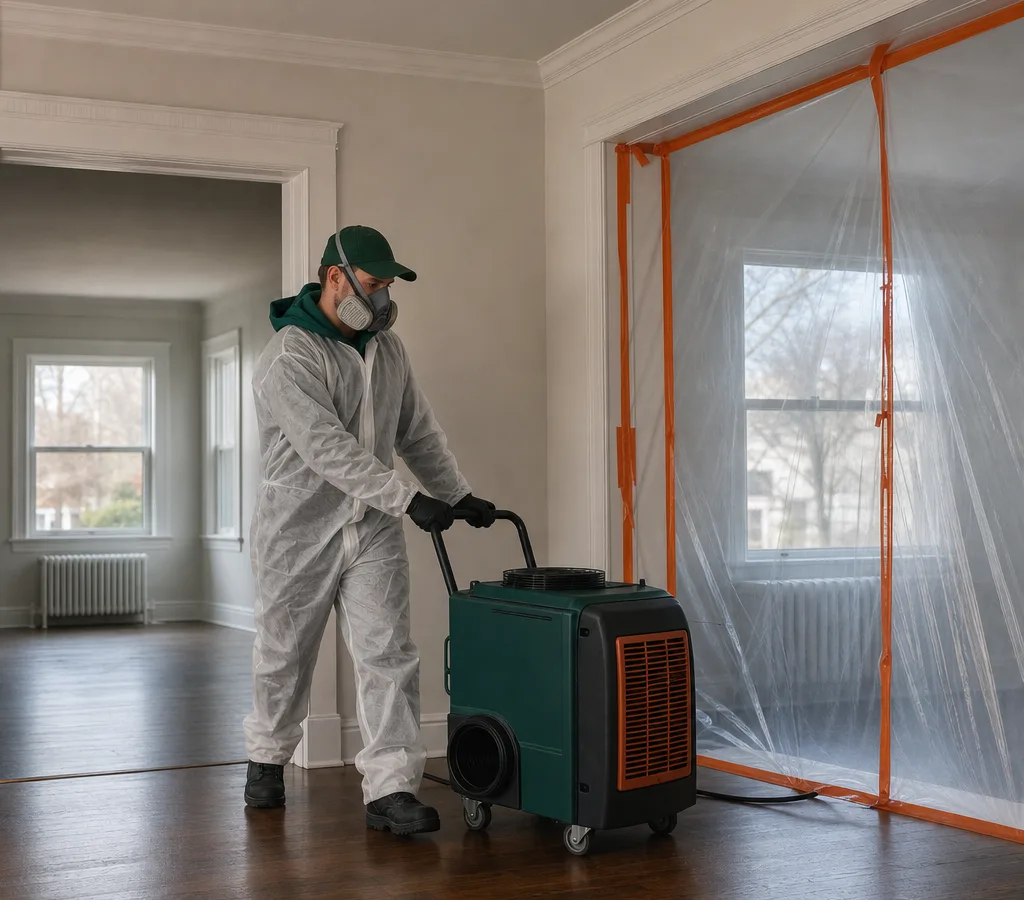
Fast response for leaks, flooding, and wet materials to reduce secondary damage and limit mold-friendly conditions.
Serving Columbus, Ohio & surrounding areas
Mon–Fri 8am–6pm · Sat 9am–2pm
Get a clear plan to remove mold safely, clean the air, and address the moisture that caused it so it is less likely to come back.
Controlled remediation
If you are searching for mold removal Columbus Ohio, you are usually dealing with a visible patch that keeps spreading, a musty odor that will not quit, or a water issue that never fully dried out. Columbus Mold Removal focuses on removing contaminated building materials safely, cleaning what can be cleaned, and controlling the conditions that let mold grow.
Our work is built around practical jobsite controls: containment to keep spores from spreading, HEPA filtration during removal, and careful cleanup of dust and debris. After the affected area is addressed, we walk you through what we found and what needs to change—ventilation, drying, leak repair, or humidity control—so the space stays stable.
Common places we handle mold removal include basements and crawl spaces, bathroom ceilings and exhaust fan areas, around windows, and behind cabinets or drywall after leaks. If you are unsure what you are seeing, we can start with a site visit and explain your options before work begins.
Call Now 614-432-8136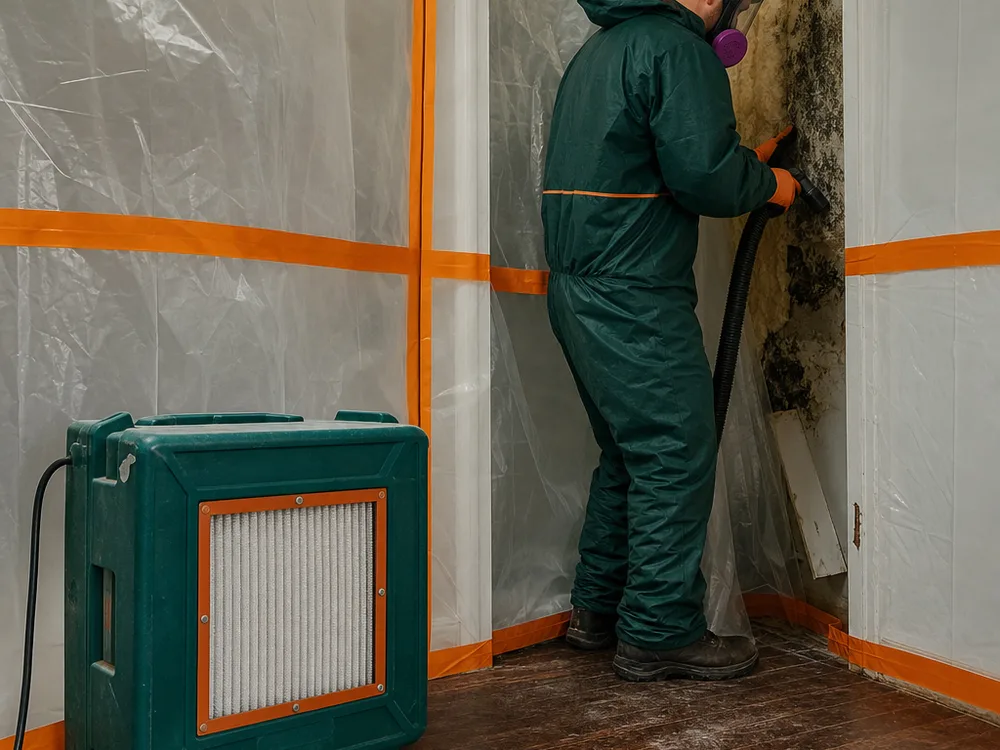
Complete moisture recovery
Water damage and restoration
Fast response for leaks, flooding, and wet materials to reduce secondary damage and limit mold-friendly conditions.
Drying, monitoring, and rebuild coordination to bring affected spaces back to pre-loss condition.
Repairs after water events, including removing damaged materials and restoring walls, ceilings, and finishes.
End-to-end recovery after water intrusion, with drying and cleanup planned around the structure and materials.
Other Services
Source control, containment, removal, and detailed cleaning when mold impacts multiple materials or rooms.
Targeted sampling and clear reporting when you need documentation or want to confirm what is present.
What you can expect
We isolate the work area before disturbing growth so spores are less likely to spread through the home.
HEPA air scrubbing during work and detailed cleaning afterward address fine particulate and residue.
Mold is a symptom. We focus on the leak, humidity, or ventilation issue that made the area vulnerable.
You get a straightforward explanation of what will be removed, what can be cleaned, and what comes next.
We keep the site controlled and tidy, with special attention to children, pets, and high-traffic areas.
Local Columbus team
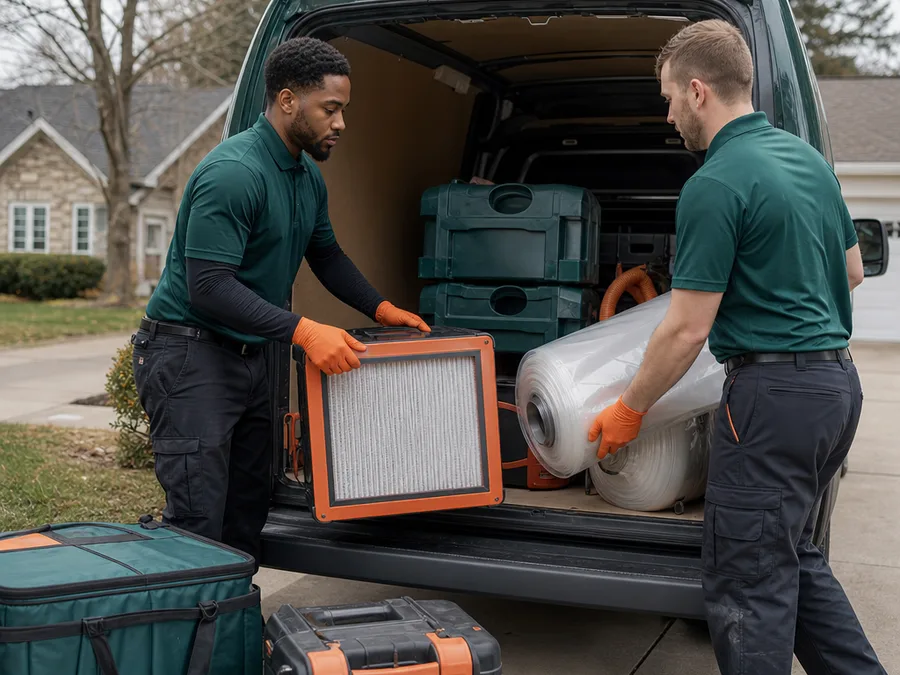
Columbus Mold Removal serves Columbus, Ohio with residential mold removal centered on controlled demolition where needed, careful cleaning, and practical guidance on preventing recurrence.
Homeowners usually call after a roof leak, plumbing issue, basement seepage, or bathroom ventilation problem. Humid summers and damp basements can make small moisture issues grow quickly. Our job is to clarify the next steps, contain the work area, and leave a cleaner, safer space.
Photos, prior test results, and a timeline of when odor or staining started can help us pinpoint the likely source and build a scope around what is actually happening.
Pricing depends on the on-site scope
Mold removal in Columbus typically ranges from about $800 to $3,500 for many residential projects. A small, contained area often lands around $800 to $1,500, while a larger basement, multiple rooms, or heavy material removal can run $2,000 to $6,500+.
Final pricing depends on the affected area, contaminated materials such as drywall, insulation, or framing, access and setup requirements, and whether moisture damage requires more removal. The exact cost is confirmed after an on-site inspection and written scope.
Columbus mold removal pricing
Mold removal cost in Columbus depends on how much area is affected and how hard it is to reach. Answer the two questions below for an indicative local range.
1. How much area is affected?
Measure the visible patch. Growth behind a wall is often wider than what you can see.
2. Where is it?
Access changes the labour more than the material does.
Indicative Columbus range
Pick two answers
Choose the affected area and where it is, and the indicative Columbus range appears here.
Columbus clay soil holds water against a foundation, so a patch that keeps returning is usually a drainage problem rather than a cleaning problem. Mold jobs here peak from March to May as winter water damage becomes visible.
Planning ranges only, based on published pricing from a Columbus mold remediation firm. Your own figure is confirmed on site, in writing, after someone has measured the affected area.
A controlled sequence
The process moves from finding the moisture pathway to controlling the work area, removing affected materials, and reviewing what must change afterward.
Call Now 614-432-8136We look for visible growth, moisture pathways, and the likely source so the plan addresses more than the surface.
We isolate the work zone and run HEPA filtration as needed to control dust and airborne particles during removal.
Damaged materials are removed when required, and remaining surfaces are cleaned using methods appropriate to the material.
We review what was done, what still needs attention—drying, ventilation, or leak repair—and how to keep the area stable.
If you smell musty odors, see new staining, or had recent water damage, get a professional assessment before the affected area spreads.
Call Now 614-432-8136Local conditions, local context
We work across Columbus, with many projects tied to basement moisture, older ventilation setups, and hidden leaks behind finishes.
Call Now 614-432-8136Older homes and finished basements can hide slow leaks and humidity issues that feed recurring mold.
Historic housing stock often has tight crawl spaces and older envelope details where moisture can linger.
Renovated homes can still have older bathrooms and window areas where condensation and moisture become trapped.
Condos and mixed-use buildings can see mold around HVAC condensate lines, bathrooms, and shared-wall plumbing.
Larger homes with finished lower levels often need careful containment and dust control during removal.
Helpful answers before your visit
Mold removal focuses on safely removing contaminated materials and cleaning affected surfaces, while remediation is broader and also addresses the conditions that allow mold to grow. It may include additional containment, cleaning, and verification. When a larger area, multiple materials, or a persistent moisture source is involved, remediation is often appropriate.
Yes, many Columbus mold removal projects are completed in occupied homes with proper containment and air control. We plan around the affected area, access points, and household needs so you know what spaces are impacted during the job.
Yes, we handle jobs where growth appears dark or where there is concern about higher-risk contamination. The safe approach remains controlled containment, appropriate removal and cleaning methods, and correction of the moisture problem that allowed growth.
Start times depend on the current schedule and urgency, but active leaks, recent water events, and spreading growth are prioritized. Share what happened and when, and we will recommend the right next step.
Yes. We identify the likely moisture driver and outline practical prevention steps such as improving bathroom exhaust, addressing basement humidity, sealing entry points, or correcting a leak. Mold cleaned without moisture control often returns.
Not always. If mold is visible and the plan is straightforward, a site inspection may be enough to scope the work. Testing is more useful when documentation is required, you want to confirm what is present, or the source is unclear.
Start with an on-site inspection
Tell us what you are seeing and where it is showing up. We will schedule a site visit, explain the scope, and outline what needs to change so the problem is less likely to return.