Water damage cleanup in Columbus, Ohio

Water Damage Columbus Ohio

Fast, careful cleanup for leaks, overflows, and storm water. We dry the structure, document the loss, and reduce the risk of lingering moisture problems so you can get back to normal sooner.

✓Moisture mapping ✓Water extraction ✓Structural drying ✓Loss documentation
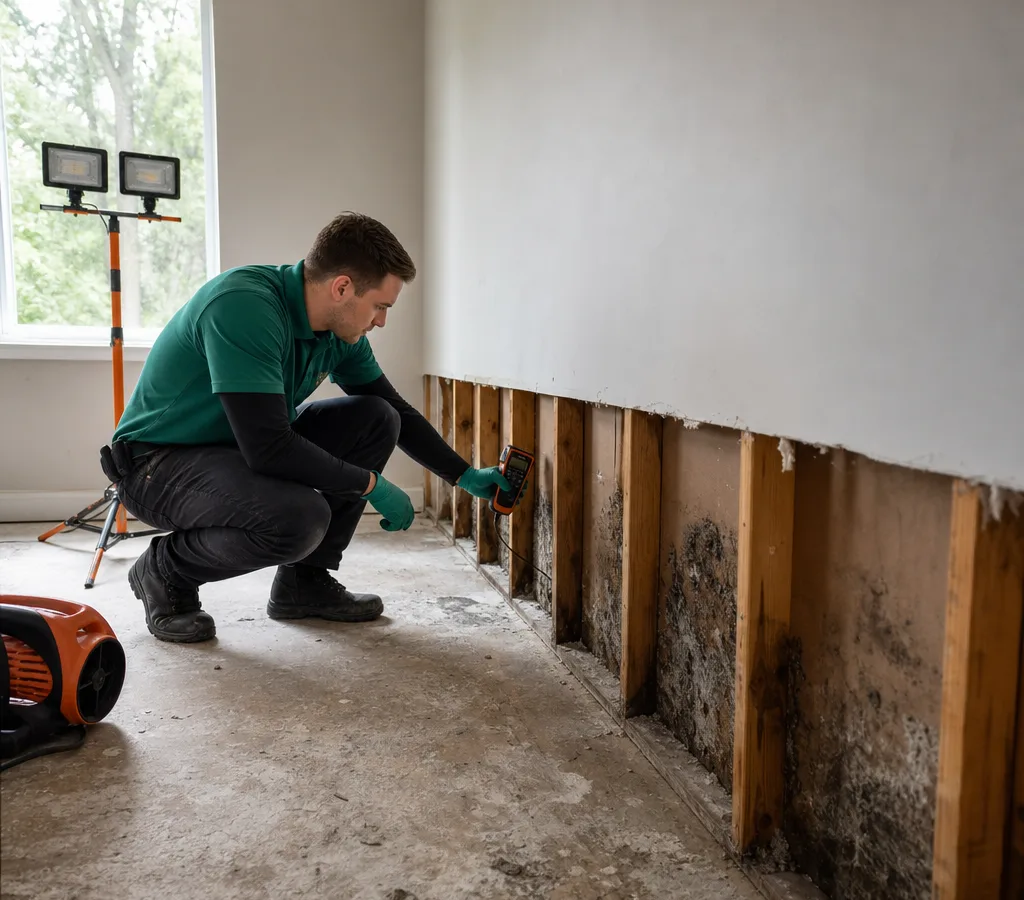
Columbus technician inspecting water-damaged drywall with a moisture meter and work lights

Find hidden moisture and stop the spread

Columbus water damage cleanup that starts with drying the right materials

When you are dealing with water damage in Columbus, Ohio, speed matters, but so does doing the right work in the right order. Water can move behind baseboards, under flooring, and into wall cavities where it stays wet long after the surface looks dry. If the structure is not dried properly, odors and microbial growth can follow.

Columbus Mold Removal handles water damage Columbus Ohio projects for homes and small businesses across the city. We focus on practical steps that stop the problem from spreading: source control, safe water extraction, structural drying with commercial air movers and dehumidifiers, and moisture verification using meters and thermal imaging where it helps.

You will get a clear scope for what needs to be removed, what can be dried in place, and what comes next. If mold is already present or becomes a concern during drying, our team can coordinate that work as part of the plan; many clients also start by reviewing our core mold removal in Columbus, Ohio service when moisture issues have been ongoing.

Call Now 614-432-8136

Inspection, extraction and drying

Common water damage problems we handle in Columbus

Plumbing leaks and supply line failures

Slow leaks under sinks and behind toilets can soak cabinets and subfloors for days. We locate wet building materials, remove what cannot be saved, and dry hidden areas so the damage does not continue after repairs.

Appliance overflows

Dishwashers, washing machines, and water heaters can flood kitchens and laundry rooms quickly. We extract water fast, protect adjacent rooms, and dry flooring and wall bottoms before they warp or delaminate.

Basement water and sump issues

Finished basements are vulnerable because water can sit under carpet pad, LVP, and bottom plates. We prioritize extraction and controlled drying so humidity does not rise through the rest of the home.

Storm and roof intrusion

Wind-driven rain can enter around roof penetrations, flashing, and window openings. We focus on the wet pathway, dry the framing and sheathing where reachable, and document conditions for the repair team.

Sewage-impacted water (Category 3)

When water is contaminated, cleanup requires stricter containment, removal of porous materials, and disinfection steps that match the category of loss. We explain what must be discarded versus what can be cleaned.

Odor and moisture troubleshooting after a prior leak

If a room smells musty weeks after a leak, moisture may still be trapped. We use moisture mapping to pinpoint remaining wet areas and recommend targeted removal or additional drying.
Call Now 614-432-8136

Protect people and limit additional damage

What to do first when you discover water damage (before we arrive)

If it is safe, stop the water source. Shut off the nearest fixture valve for a localized leak, or the main water shutoff if you cannot isolate it. Avoid rooms where ceilings are sagging or where water is near electrical outlets.

Next, protect valuables and limit traffic. Move electronics, paper items, and furniture legs off wet floors. If you have standing water, avoid running household vacuums unless they are rated for wet pickup.

If the loss is from a storm or an overflow, take a few quick photos for your records, then focus on preventing spread. A wet towel at the doorway and a fan pointed away from unaffected rooms can help limit tracking moisture deeper into the home.

In many Columbus water damage situations, the goal is to start professional extraction and dehumidification the same day. The sooner drying begins, the more building materials can often be saved and the less reconstruction is usually required.

Call Now 614-432-8136
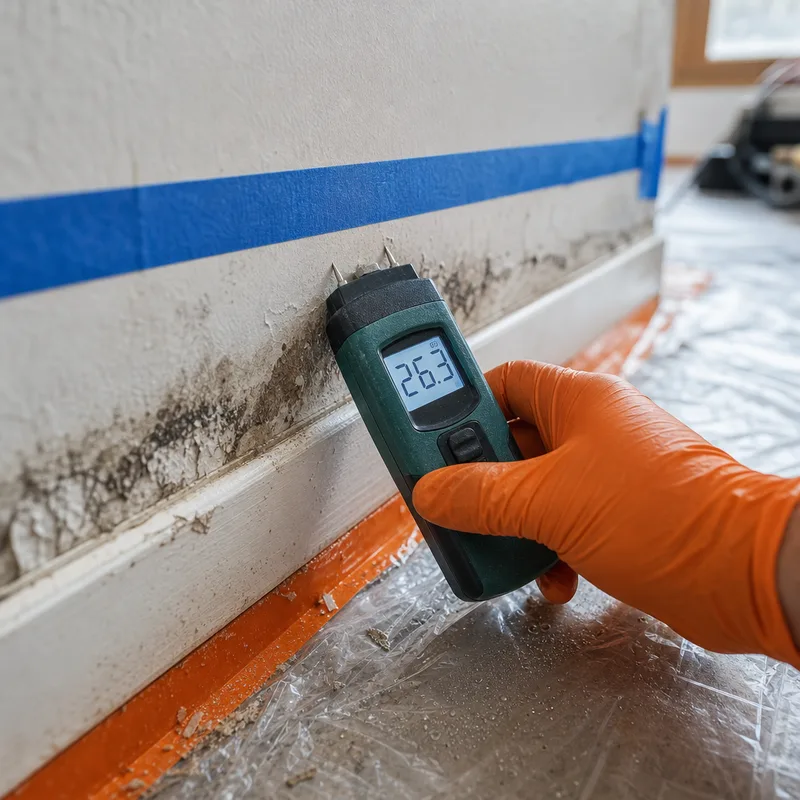
Moisture meter reading on wet baseboard and drywall with marked moisture boundaries

What happens on site

Our process for water damage Columbus OH homes and businesses

Each loss follows a measured sequence from moisture mapping and extraction through structural drying and final verification.

  1. 01

    Inspection and moisture mapping

    We walk the affected areas, identify the likely water path, and measure moisture in drywall, trim, subfloors, and framing where accessible. This creates a drying map so we do not guess what is wet.

  2. 02

    Water extraction and controlled demolition

    Standing water is extracted first. If materials are too saturated or contaminated to dry—common with pad, swollen particleboard, or sewage-impacted drywall—we remove them in a contained, tidy way.

  3. 03

    Structural drying setup

    We place air movers and dehumidifiers sized to the loss and adjust for room layout, temperature, and humidity. When needed, we use wall cavity drying and targeted airflow at base plates and corners.

  4. 04

    Monitoring and documentation

    Drying is not a one-and-done visit. We re-check moisture levels, track progress, and adjust equipment placement so drying stays on schedule and does not stall.

  5. 05

    Final moisture verification and next-step plan

    When readings return to acceptable dry standards for the material, we confirm completion and outline what repairs are next. If conditions point to microbial growth, we discuss options before anything gets closed back up.

Call Now 614-432-8136

Central Ohio moisture conditions

Where local conditions change the plan in Columbus

Columbus gets heavy rain events and big swings in humidity through the year, and both affect how water damage is handled. High outdoor humidity can slow evaporation, which is why professional dehumidification and closed drying systems matter more than simply opening windows.

Basements are also common in many Columbus neighborhoods, and below-grade spaces can hold moisture longer because air movement is limited and cooler surfaces can encourage condensation. In areas like Clintonville and Old North, older homes may have layered flooring and plaster or multiple renovation layers that trap moisture. In German Village and Victorian Village, tight rowhouse layouts and shared walls can make it important to isolate airflow and prevent moisture from migrating into adjacent spaces.

Downtown and Short North condos and mixed-use buildings often add access rules, elevator scheduling, and parking constraints. We plan equipment delivery and containment to keep the job orderly and to reduce disruption to neighbors.

If you are dealing with water damage Columbus Ohio property managers worry about most, it is the kind that looks minor but keeps humidity elevated. That is where moisture measurements and clear drying endpoints make a real difference.

Call Now 614-432-8136

Pricing depends on the on-site scope

How Much Does Water Damage Cleanup Cost in Columbus, Ohio?

Most water damage cleanup in Columbus typically ranges from about $900 to $3,500 for a small to mid-size loss with extraction and drying, while larger losses with significant material removal and multiple rooms often run $3,500 to $12,000+.

Your final price depends on the water category (clean vs contaminated), how long materials stayed wet, how many rooms are affected, access to wet cavities, and how much drywall, flooring, or insulation must be removed to dry the structure correctly. The exact scope and cost are confirmed after an on-site inspection and moisture mapping.

Call Now 614-432-8136

Helpful answers before your inspection

Water damage questions we hear in Columbus

How fast can water damage spread in a home?+

Water can spread within minutes through flooring seams, under baseboards, and into wall cavities, and it often reaches adjacent rooms before it is visible. In Columbus homes with basements, water can also migrate down through openings around plumbing and HVAC chases, so quick extraction and moisture mapping help keep the scope from growing.

How long does drying usually take after a leak or flood?+

Most structural drying takes about 3 to 5 days, but it can be shorter for minor, clean-water losses or longer when multiple layers are wet or when humidity stays high. Drying time depends on material type (drywall, plaster, subfloor), how saturated it is, and whether air can reach the wet surfaces without removal.

Do you have to remove drywall after water damage?+

Drywall sometimes can be dried in place, but it often needs partial removal when water wicked up from the floor, insulation is wet, or the cavity cannot dry effectively. The decision is based on moisture readings, the height of water staining, and the water category, not just how the wall looks.

Is it safe to stay in the house during water damage cleanup?+

Many clean-water losses can be handled with you in the home, especially when the affected area is limited and can be separated. If the loss involves sewage (Category 3) or significant microbial growth, it may be safer to limit access to the work area until removal, cleaning, and air control steps are complete.

Can you help with insurance documentation for water damage in Columbus OH?+

Yes, we document moisture readings, affected materials, and the drying steps so you have clear records for the claim conversation. Insurance coverage varies by policy and loss cause, but good documentation helps explain why certain materials were removed and why drying took the time it did.

What if there is a musty smell after the area looks dry?+

A musty smell usually means moisture remains in a hidden pocket or that porous materials stayed wet long enough to grow microbes. The next step is targeted moisture checks behind baseboards, in corners, and under flooring to find what is still wet, then remove or dry that specific area instead of treating the whole home.

Start with an on-site inspection

Need help with water damage in Columbus?

Tell us what happened and what areas are wet. We will outline the next steps, inspect the damage, and give you a clear scope for drying and cleanup so repairs can start on solid footing. If you are not sure where to begin, our Columbus mold removal overview explains how we work.