On-site inspection first
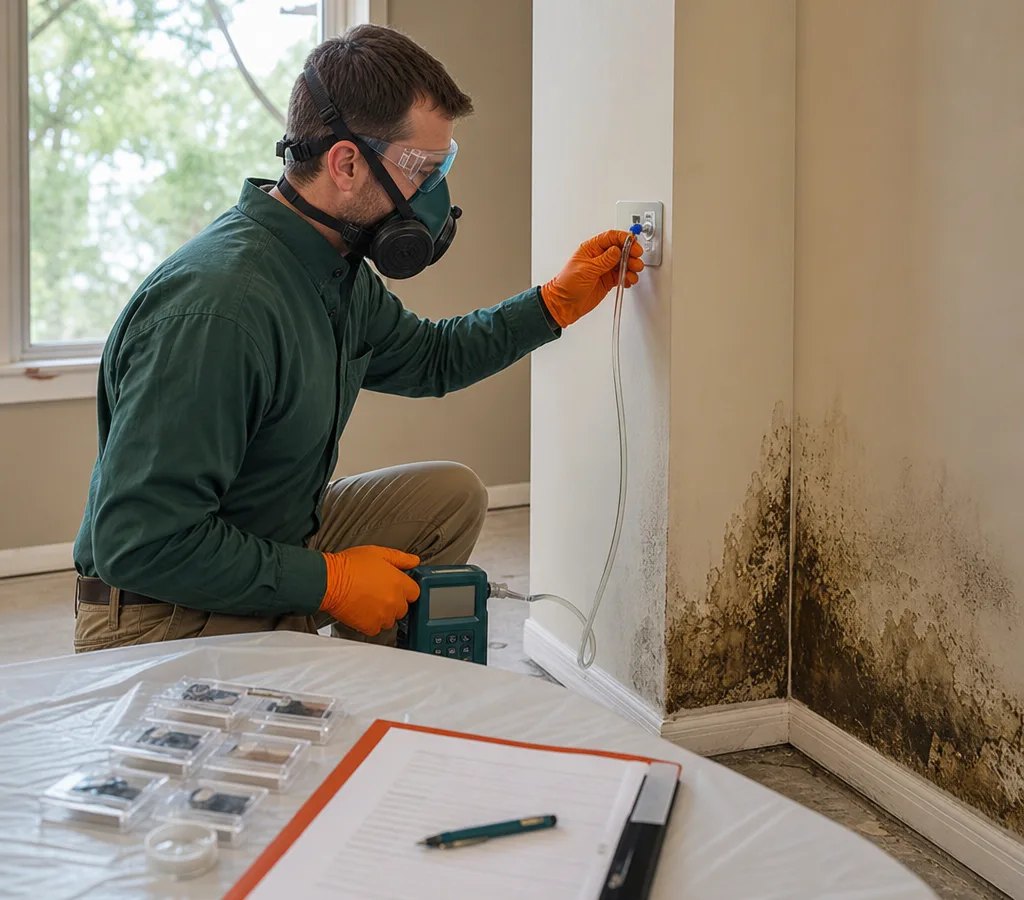
We start by looking for moisture sources, building materials at risk, and where air moves. Sampling without context can miss the actual problem area.
Serving Columbus, Ohio & surrounding areas
Mon–Fri 8am–6pm · Sat 9am–2pm
Mold testing in Columbus, Ohio
Get sampling done by a trained inspector, lab-backed results you can trust, and a plain-language report that tells you what to do next.
Inspection-led answers
If you are searching for mold testing Columbus Ohio, you probably have a reason: a musty odor that will not go away, visible spotting on drywall or framing, a past leak, or symptoms that seem worse indoors. The point of testing is not to label a house “good” or “bad.” It is to identify whether mold is present, where it is coming from, and what the indoor air is carrying so you can make the right fix.
Columbus Mold Removal provides mold testing for homes and businesses across Columbus, including 43201 and nearby areas. We start with a careful visual inspection and moisture check, then take targeted samples only when they will answer a specific question. You receive documented sample locations, lab analysis, and a report that explains the findings in plain terms.
Testing is especially useful after heavy-rain water intrusion, winter condensation around windows and exterior walls, or when a basement stays damp during humid Ohio summers. These conditions can create hidden growth behind baseboards, inside wall cavities, or around HVAC returns where risk cannot be judged by sight alone.
Inspection, sampling and reporting
We start by looking for moisture sources, building materials at risk, and where air moves. Sampling without context can miss the actual problem area.
Air samples help compare indoor conditions to an outdoor control sample. Swab or tape samples identify what is growing on a specific surface.
Samples are analyzed by a qualified laboratory, and the report documents sample type, location, and findings so decisions are based on data.
You get clear notes on what was found, why it matters, and what next steps typically look like for the conditions observed.
If results point to an active moisture issue, we explain what to address first. If corrective work is needed, our mold removal team can help after testing confirms the scope.
Purposeful sampling
Good mold testing is about answering specific questions.
Air sampling: We typically take at least one outdoor control sample and one or more indoor samples. Comparing indoor results to the outdoor baseline helps interpret what is normal for the day and what suggests an indoor source. Samples are placed where people spend time and where air pathways can pull particles—not simply next to a stain.
Surface sampling: When discoloration is visible, a tape lift or swab may be used to identify the growth and distinguish mold from soot, dust, or mineral deposits.
Moisture assessment: Mold follows moisture. We look for plumbing, roof, or window leaks, damp basements, and chronic condensation. Without identifying moisture, testing becomes a snapshot without a plan.
Chain of custody and documentation: Every sample is labeled, logged, and handled consistently so results are traceable. Your report notes where samples were taken and the conditions present at the time.
If you need testing for a real estate transaction or to document a post-repair condition, tell us before the visit so sampling and reporting can be structured around that purpose.
Call Now 614-432-8136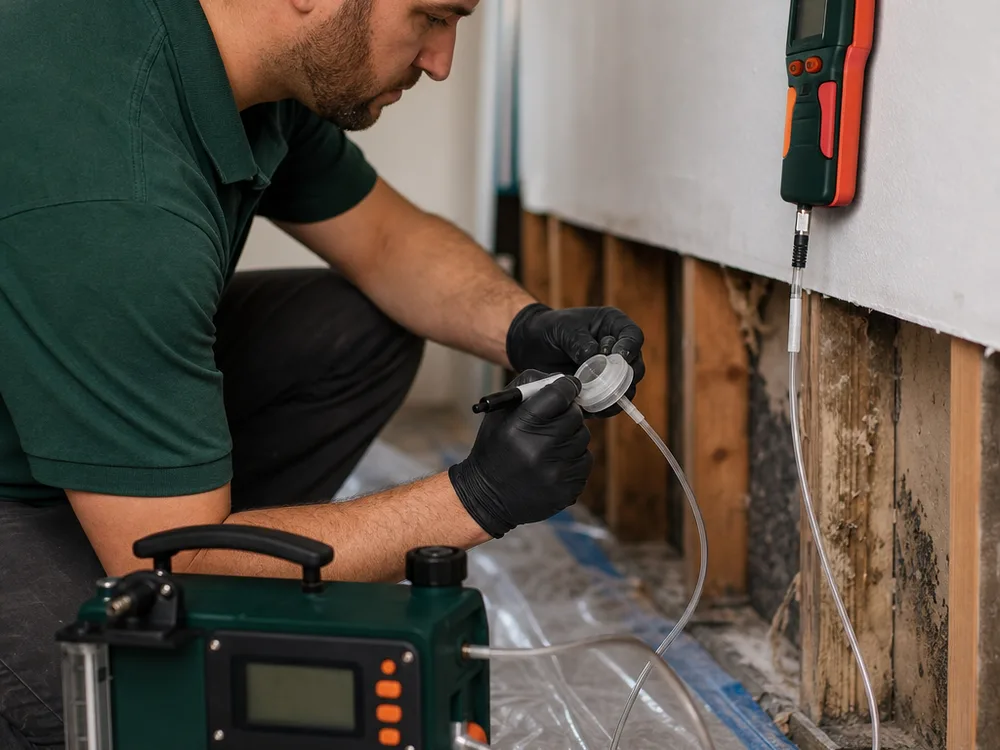
What happens on site
The visit follows a focused sequence from the initial questions and moisture inspection through laboratory analysis and a practical next-step plan.
We ask a few quick questions about past leaks, visible growth, odors, HVAC use, and any recent construction so the visit is focused.
We walk the affected areas, look for likely moisture sources, and note materials and airflow patterns that can spread spores.
We recommend air and/or surface samples based on what we see. When air sampling is used, an outdoor control sample is typically included for comparison.
Samples go to a qualified lab for analysis. Turnaround depends on lab workload and sample type, and we set expectations before leaving the property.
We review results with you and outline practical next steps, which may include moisture correction, targeted cleaning, or further investigation if something is hidden.
Pricing depends on the sampling plan
Mold testing in Columbus typically ranges from about $250 to $750, depending on how many samples are needed and how large the affected area is. A simple visit with a limited number of air or surface samples is usually at the low end, while larger homes, multiple floors, or more extensive sampling runs higher.
Final pricing mainly depends on sample count, including air, surface, and outdoor control samples; access to crawlspaces or attics; and whether moisture mapping or extra documentation is needed. Exact cost is confirmed after the on-site inspection and sampling plan.
Use testing to guide a decision
Testing is most useful when it changes your next decision.
There is obvious active growth and the moisture source is known. In many cases, the priority is correcting the moisture and properly removing affected materials rather than spending time proving what is already visible.
If you are unsure, we can talk through the goal first. The right approach depends on whether you need data for a decision, documentation, or peace of mind.
Helpful answers before your inspection
Scheduling depends on current demand, but many appointments can be set within a few days for Columbus addresses, including the 43201 area. If you have an active leak or a time-sensitive real estate timeline, mention that when you reach out so we can prioritize appropriately.
Most lab results are returned within a few business days, depending on the laboratory and the sample type. We tell you the expected turnaround at the time of sampling so you can plan any contractor work or occupancy decisions.
Air sampling measures airborne mold spores at the sampling location, while surface sampling identifies what is growing on a specific spot. Air samples help compare indoor conditions to an outdoor baseline, and surface samples help confirm whether a stain is mold or something else.
In most cases, no. The visit involves inspection, moisture readings, and small, localized sampling. If there is heavy disturbance of contaminated materials, that is a different situation and would be discussed before any work begins.
Yes, mold testing can be limited to a single room when the goal is to answer a narrow question, such as whether basement air is elevated compared to outdoors. We will still ask about the rest of the property because airflow and moisture sources often connect across spaces.
Yes, the report is written to support next steps, not just list lab findings. It documents sample locations and results, then explains what those results commonly indicate and what actions typically come first, especially moisture correction and identifying hidden sources.
It is not always required, but it can help when the scope is unclear, documentation is needed, or hidden growth is suspected. If growth is visible and the moisture source is obvious, the faster path is often to correct moisture and address affected materials without delaying for extra testing.
Start with an on-site inspection
Tell us what you are noticing and where it is happening. We will recommend the right mold testing approach for your Columbus property and provide lab-backed results with clear next steps. Our Columbus mold removal overview explains what happens once results are in.