Rapid water removal
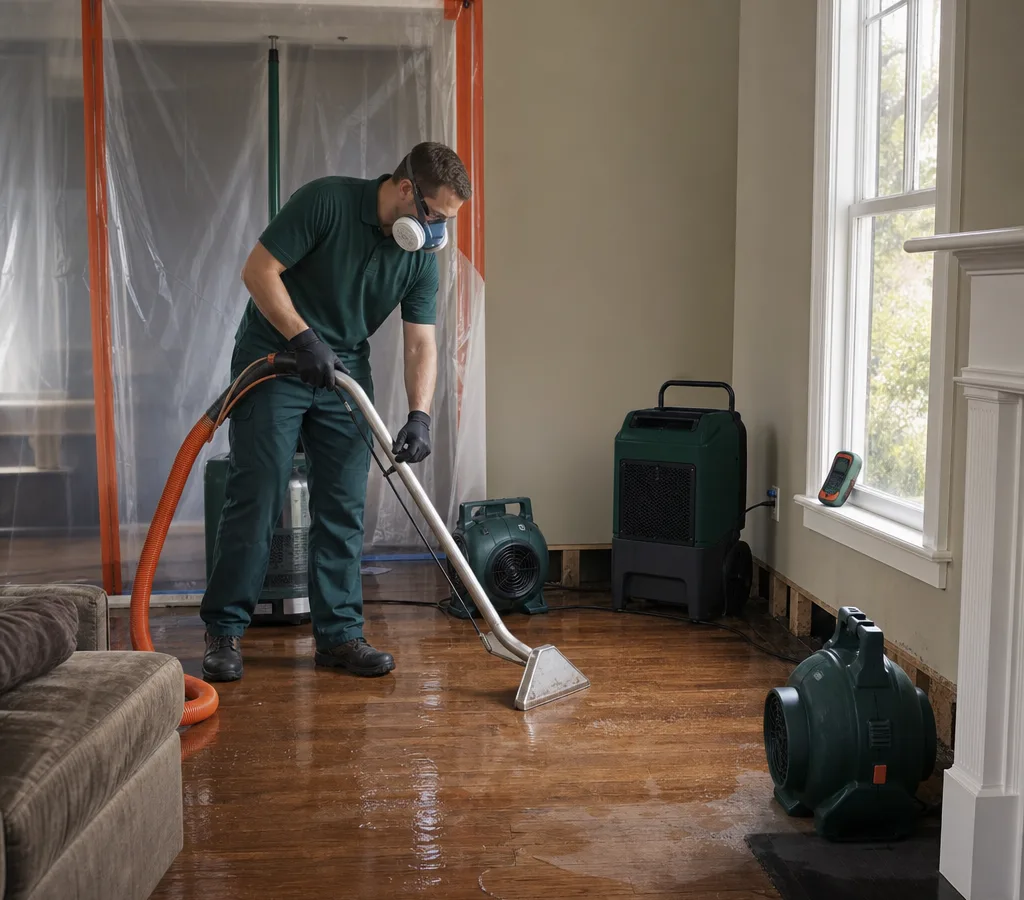
We start with extraction and water pickup where possible, then move quickly into drying. The goal is to limit how far water travels under floors and into wall assemblies.
Serving Columbus, Ohio & surrounding areas
Mon–Fri 8am–6pm · Sat 9am–2pm
Water damage restoration in Columbus, Ohio
When water gets into floors, drywall, or framing, time matters. Our team responds quickly, removes water, sets professional drying equipment, and documents the job so you can move forward with repairs and insurance decisions.
Stop additional damage and verify the dry-out
If you are searching for water damage restoration Columbus Ohio, you are likely dealing with a burst pipe, an overflowing appliance, a roof leak, or a basement taking on water after heavy rain. The first hours are the difference between a manageable dry-out and swelling floors, ruined drywall, and odor that lingers.
Columbus Mold Removal provides water removal, drying, and restoration support for homes and businesses in Columbus. Our work is built around three things: stopping additional damage, drying the structure to a verifiable target—not just “feels dry”—and leaving you with clear documentation of what happened and what was done.
Water damage is also one of the fastest ways to trigger microbial growth inside wall cavities and under flooring. If you are already noticing musty smells or visible growth after a leak, mold removal in Columbus can be the next step once the moisture source is controlled and the structure is drying.
Extraction, drying and documentation
We start with extraction and water pickup where possible, then move quickly into drying. The goal is to limit how far water travels under floors and into wall assemblies.
Air movers, dehumidifiers, and targeted drying are set based on material type and moisture readings. Drying is verified with meters and recorded so the plan is clear.
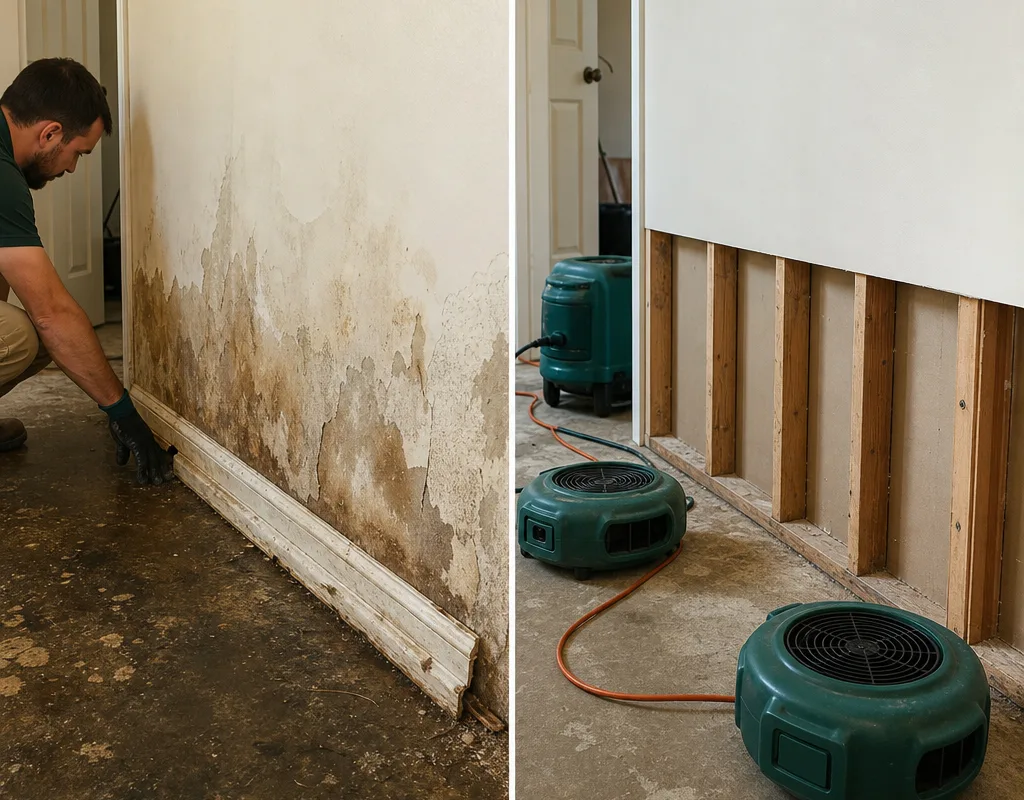
We map affected areas, including hidden moisture in baseboards, behind drywall, and under flooring, and document readings over time to show progress.
When materials are saturated beyond recovery, controlled removal of drywall, insulation, baseboards, or wet flooring can prevent trapped moisture from stalling the dry-out.
Not all water is the same. We treat Category 2 and Category 3 losses—gray and black water—with the extra containment and cleaning steps they require.
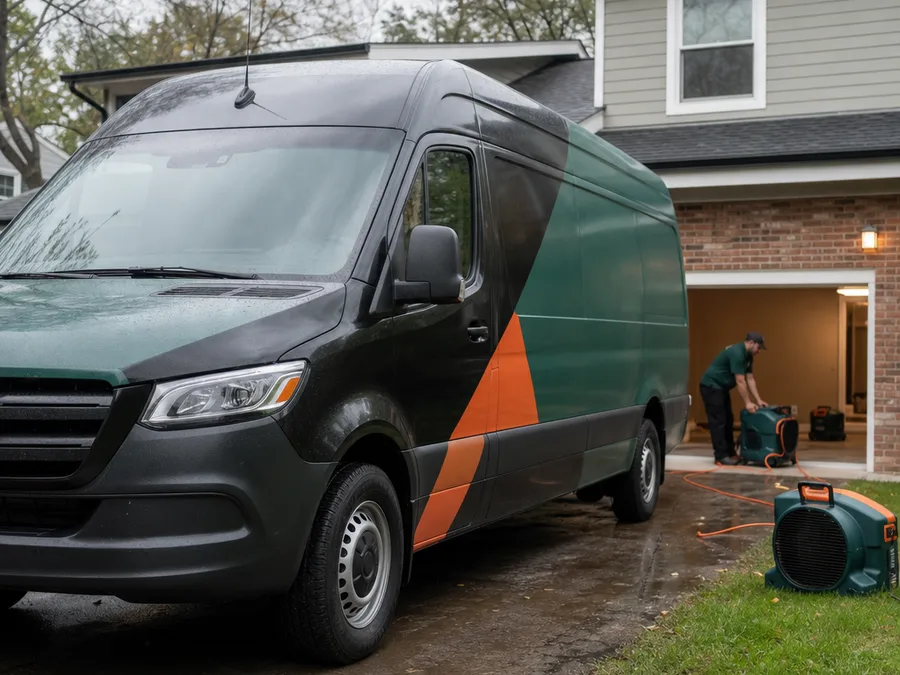
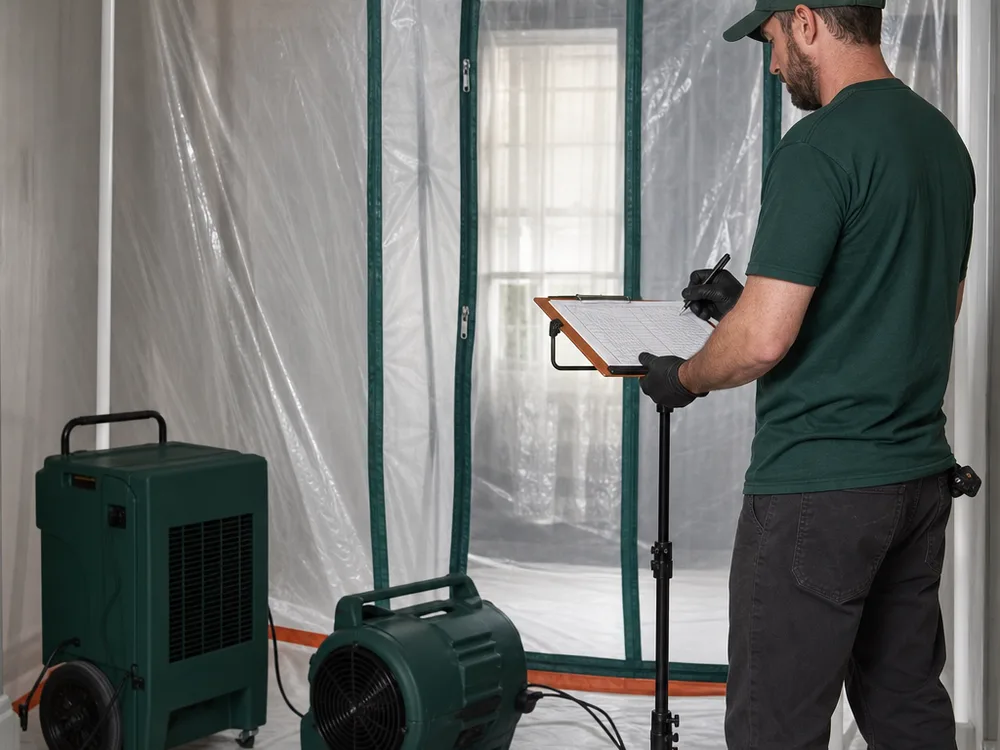
Protective coverings, equipment placement that respects your space, and clear daily check-ins help keep a stressful situation organized.
Hidden moisture needs measured drying
Water rarely stays where you see it. It wicks into drywall, runs along framing, and can pool under floating floors or in basement wall cavities.
In older Columbus neighborhoods like Clintonville, you often see original plaster and wood trim that can be harder to dry evenly. In areas with lots of slab-on-grade construction and newer finishes, water can travel silently beneath vinyl plank or behind baseboards.
Because of that, Columbus water damage restoration should be driven by moisture readings, not guesswork. We use moisture meters to locate wet materials, track drying progress, and decide when it is safe to stop equipment. If wet materials are sealed back up too soon, the remaining moisture can lead to odor, swelling, and later damage that is harder to tie back to the original loss.
You will also get straightforward guidance on immediate steps you can take before we arrive: shut off the water source if it is safe, avoid running electronics in wet areas, and limit foot traffic over saturated floors so water is not pushed deeper into seams.
Call Now 614-432-8136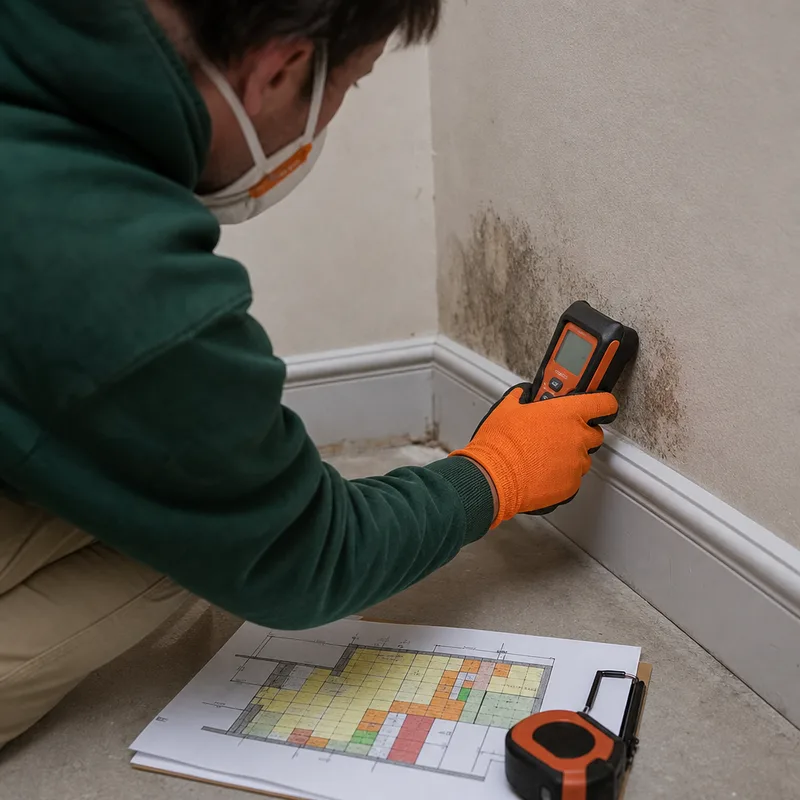
What happens on site
The process follows moisture from initial inspection through verified drying, cleaning, and a clear next-step plan.
We identify the source, affected materials, and how far moisture migrated. We document readings and visible damage, including areas behind trim, in lower wall sections, and around penetrations.
Standing water is removed where possible. We set up equipment and create airflow paths so wet materials can release moisture instead of trapping it.
If drywall, insulation, or flooring is saturated beyond recovery or contaminated, we remove what is necessary to allow drying and proper cleaning. Demo is done with containment practices appropriate to the situation.
Air movers and dehumidifiers run continuously while we monitor readings. We adjust equipment placement and drying strategy based on what the measurements show, not on a preset number of days.
After drying targets are met, we address residue and odor as appropriate to the category of water. You receive a clear summary of what was affected, what was removed, and what is ready for repair.
Pricing depends on the on-site scope
Water damage restoration in Columbus typically ranges from $1,000 to $6,000 for many residential losses, with small, localized dry-outs sometimes closer to $500 to $1,500 and larger, multi-room or contaminated-water projects reaching $8,000 to $20,000+.
Price depends on how far water spread, the water category—clean, gray, or black—how much removal is needed, equipment days, and access to affected cavities. The exact cost is confirmed after an on-site inspection and moisture mapping so the scope matches what is actually wet.
Organized work in occupied properties
Helpful answers before your inspection
You should start mitigation as soon as the water source is stopped and it is safe to enter. Within the first 24 to 48 hours, wet drywall, insulation, and wood are much more likely to develop odor and microbial growth, and some flooring can begin to swell or delaminate.
Yes, and basements often need extra attention because moisture can sit in wall cavities and under finished flooring. We moisture-map walls, check behind baseboards, and set drying equipment to target the wall-to-floor joint where water commonly lingers.
Sometimes, but it depends on how long the water sat, whether it reached the subfloor, and how the floor is installed. We check moisture levels in the wood and subfloor, then recommend either controlled drying when viable or removal when the floor is buckled, cupped severely, or contaminated.
Clean water, or Category 1, comes from a sanitary source like a supply line and can often be dried with less removal if addressed quickly. Gray water, Category 2, and black water, Category 3, involve contamination risk, so the scope usually includes more material removal, cleaning, and strict handling of porous items.
Yes. We document moisture readings, affected materials, equipment placement, and any controlled demolition so you have a clear record of what happened and what work was required to dry the structure.
Many projects take 3 to 5 days of active drying, but the real answer depends on how much water entered the structure, the materials involved, and whether wall cavities or subfloors were saturated. We base the stop point on verified moisture targets, not on a calendar estimate.
Start with an on-site inspection
Tell us what happened, what areas are wet, and whether the water is still active. We will walk you through next steps, schedule an inspection, and provide a clear scope for drying and restoration so you can protect your property and timeline. New to us? The Columbus mold removal overview sets out how a job runs from the first call.